
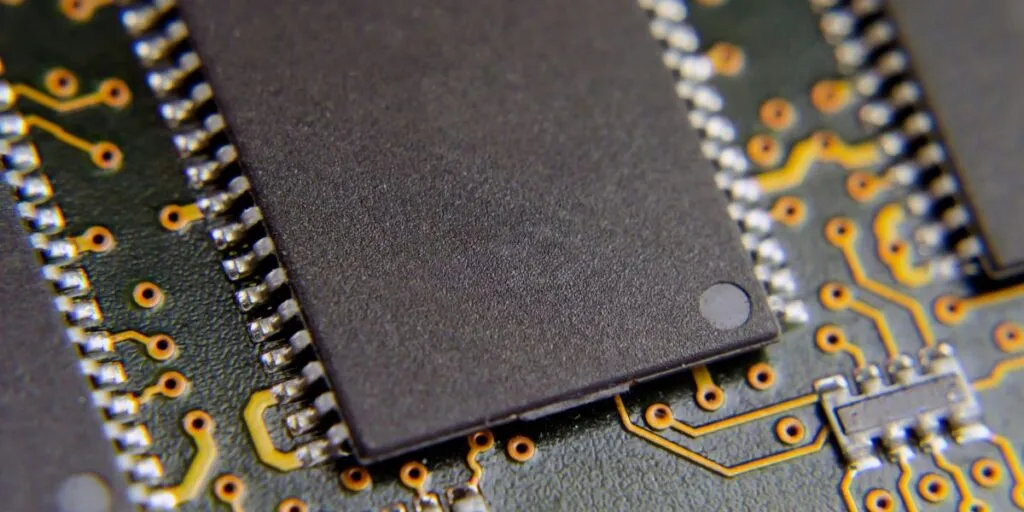
The global memory chip shortage is most often discussed in terms of computing devices—mobile computers, laptops, tablets, and AI infrastructure. But another critical area is increasingly feeling the effects: the production of proximity cards, smart cards, and secure credential technologies used every day across businesses, schools, hospitals, and government facilities.
As semiconductor manufacturers shift production capacity toward high-demand AI and advanced computing memory, fewer resources are available to produce the specialized chips used in secure identity credentials. For organizations that rely on card-based access control, secure authentication, and identity management programs, the shortage is creating new operational risks, longer procurement cycles, and rising credential costs.
Technology partners like Levata are increasingly helping organizations plan ahead, secure inventory, and maintain continuity across access control and identity programs as supply conditions tighten.
Why Memory Chips Matter in Smart Cards and Proximity Credentials
Modern proximity and smart cards are far more advanced than traditional ID badges. Many include embedded microcontrollers, secure memory storage, encryption and authentication processing. Most commonly, smart cards offer the capability to not only control access, but also track payments, attendance, media usage, and more.
When chip production shifts toward AI memory and high-performance computing components, smart card and credential chip production can be deprioritized.
Because only a limited number of global semiconductor manufacturers produce these secure chips at scale, supply cannot be rapidly increased when demand spikes.
How is the Memory Chip Shortage Affecting Security and Credential Programs?
Longer Lead Times for Card Production
Organizations that previously received credential shipments in weeks may now face extended manufacturing timelines, especially for higher-security smart cards. This can delay:
- New employee or student onboarding
- Security system upgrades
- Large-scale re-badging initiatives
- Migration to encrypted or multi-technology credentials
Rising Credential Costs
As component costs increase, you may notice price increases. For organizations issuing a high volume of credentials annually, cost increases can significantly impact security program budgets.
Limited Card Model and Technology Availability
Some credential manufacturers may temporarily limit certain chip-based card models. This can force organizations to:
- Delay upgrades to more secure credential technologies
- Maintain legacy card systems longer than planned
- Adjust standardization strategies across locations
Industry Impact: Where Credential Shortages Hit Hardest
Businesses and Corporate Security Programs
Enterprises depend on proximity and smart cards for physical access, identity verification, and workforce management. Shortages can impact hiring cycles, facility expansions, and security modernization projects.
Organizations with distributed workforces or multi-site operations may struggle to maintain standardized credential programs if certain card types become constrained.
Education: Protecting Campuses and Supporting Student Access
Schools and universities rely heavily on smart cards and proximity credentials for:
- Building and dorm access
- Meal plans and payments
- Attendance and ID verification
- Library and lab access
Supply delays can slow student onboarding, delay security upgrades, or force institutions to extend older, less secure credential systems longer than planned.
Healthcare: Supporting Clinical Access and Patient Safety
Hospitals and health systems use secure credentials to support:
- Controlled access to clinical areas
- Secure login authentication for medical systems
- Medication dispensing access
- Staff identity verification
Credential supply disruptions can slow staff onboarding, delay compliance-driven upgrades, and increase security risk if organizations must rely on aging or less secure credential technologies.
Government and Public Sector
Government agencies depend on secure credentials for identity verification, facility access, and secure system authentication. Supply instability can affect compliance programs, security modernization timelines, and citizen service programs.
Transportation, Logistics, and Critical Infrastructure
Many logistics hubs, ports, and infrastructure facilities rely on smart credentials for controlled access, workforce tracking, and regulatory compliance. Credential shortages can slow workforce onboarding and increase administrative burden.
Why This Shortage Is Different: The AI Effect
Unlike past supply disruptions caused by logistics or raw material issues, the current shortage is driven by structural demand. AI workloads are expected to continue growing for years, meaning chip allocation pressures may persist long-term.
Organizations should plan credential procurement and lifecycle strategy assuming ongoing volatility rather than a short-term disruption.
How ID Wholesaler Can Help You Navigate the Shortage
In a constrained market, not all ID and Access Control solution providers are equally positioned to protect your organization. ID Wholesaler brings unique advantages that directly reduce procurement and quality risks. We’ll help you:
- Forecast proximity card and smart card stock further in advance
- Purchase stock NOW to avoid disruptions to your operations
- Capitalize on our strong, long-standing manufacturer relationships that give us priority access to inventory
The ValuProx Advantage
With our ValuProx proximity cards, customers get big name performance and expected compatibility, but for a smaller price tag. The biggest advantage during the chip shortage: ValuProx has a shorter programming lead time. This means that even with inventory delays, we can get your cards to you faster than other leading brands.
Final Takeaway
The global memory chip shortage is not just a computing device issue—it is an identity and security infrastructure issue. From employee badges and student IDs to clinical credentials and secure government access cards, memory chip supply is now directly linked to operational continuity.
Organizations that forecast early, secure supply NOW, and partner with experienced access control providers will be best prepared to navigate ongoing semiconductor volatility while maintaining secure, reliable credential programs.
Ask an ID Wholesaler access control expert for help procuring your supply of proximity and smart cards today!